
industry-guides
Arts and entertainment employment contracts: performers, technicians and venue roles
Create arts and entertainment contracts covering production duties, performance hours, technical safety, creative rights, recordings and venue responsibilities.
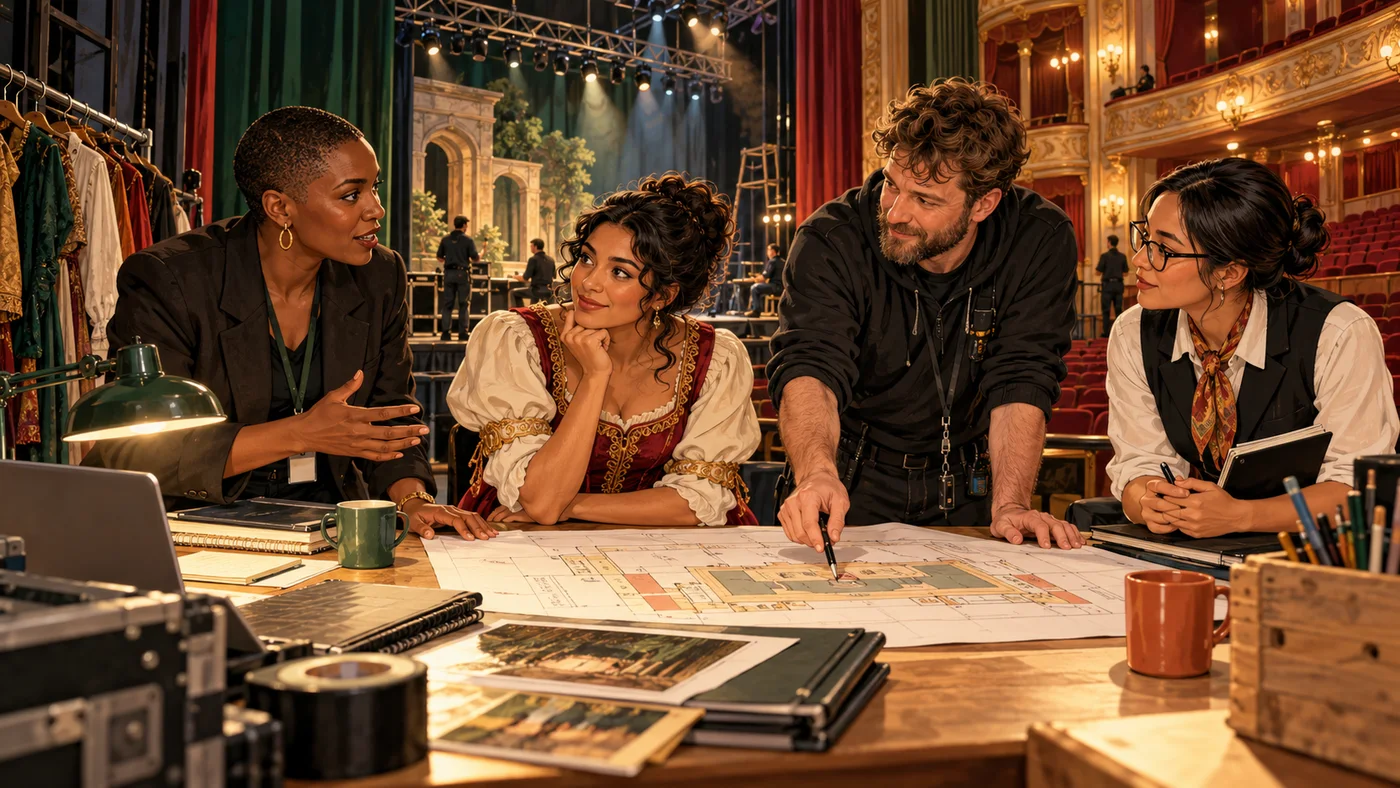
Arts and entertainment employers bring together performers, producers, technicians, stage managers, creative teams and front-of-house staff. They may all contribute to one production, but they do not have the same authority, hours, risks or ownership responsibilities. A useful employment contract identifies the real role while production schedules and safety plans remain current operational documents.
Why an industry and role-specific contract matters
A performer interprets creative direction and attends rehearsals. A lighting technician works with specialist equipment. A stage manager coordinates cues and backstage movement. A front-of-house supervisor manages visitors and escalation. Generic wording such as “support performances as required” leaves uncertainty about competence, authority and accountability.
Specific terms can define the production, reporting line, normal location, touring expectations, hours, fees or salary, publicity duties, equipment use and the limits of creative or safety decisions. They give managers a fair basis for allocating work and help employees understand what is expected. Browse the arts and entertainment contract collection when selecting the closest role.
Production scope and reporting lines
State whether employment is permanent, fixed-term for a production or tied to a genuinely defined project. Record the start date, intended end point, notice arrangements and what happens if dates move. A production closing early does not automatically answer every employment question, so avoid relying on an informal “run of show” understanding.
Separate artistic direction from employment management and safety authority. Identify who approves changes, calls rehearsals, signs off technical work and handles concerns. Cover understudy, cover, swing or additional technical duties only where they are realistic, trained and properly paid.

Rehearsals, performances and working time
Set normal hours and explain how rehearsals, previews, performances, matinees, get-ins, get-outs, touring and publicity are scheduled. Record payment or time-off arrangements for additional calls. Employees should know how much notice they will normally receive and who may approve overtime.
Evening, weekend and late-night work is common, but that does not make rest unimportant. Build technical checks, costume calls, warm-ups and handovers into paid time where they are required. A performer’s call differs from a technician’s installation shift, so one schedule clause may not fit both.
Technical safety, crowds and competence
The HSE event-safety guidance says organisers should establish clear responsibility for safety and plan in proportion to the event. Contracts should therefore identify the employee’s safety-related responsibilities without transferring the organiser’s overall duties to an individual worker.
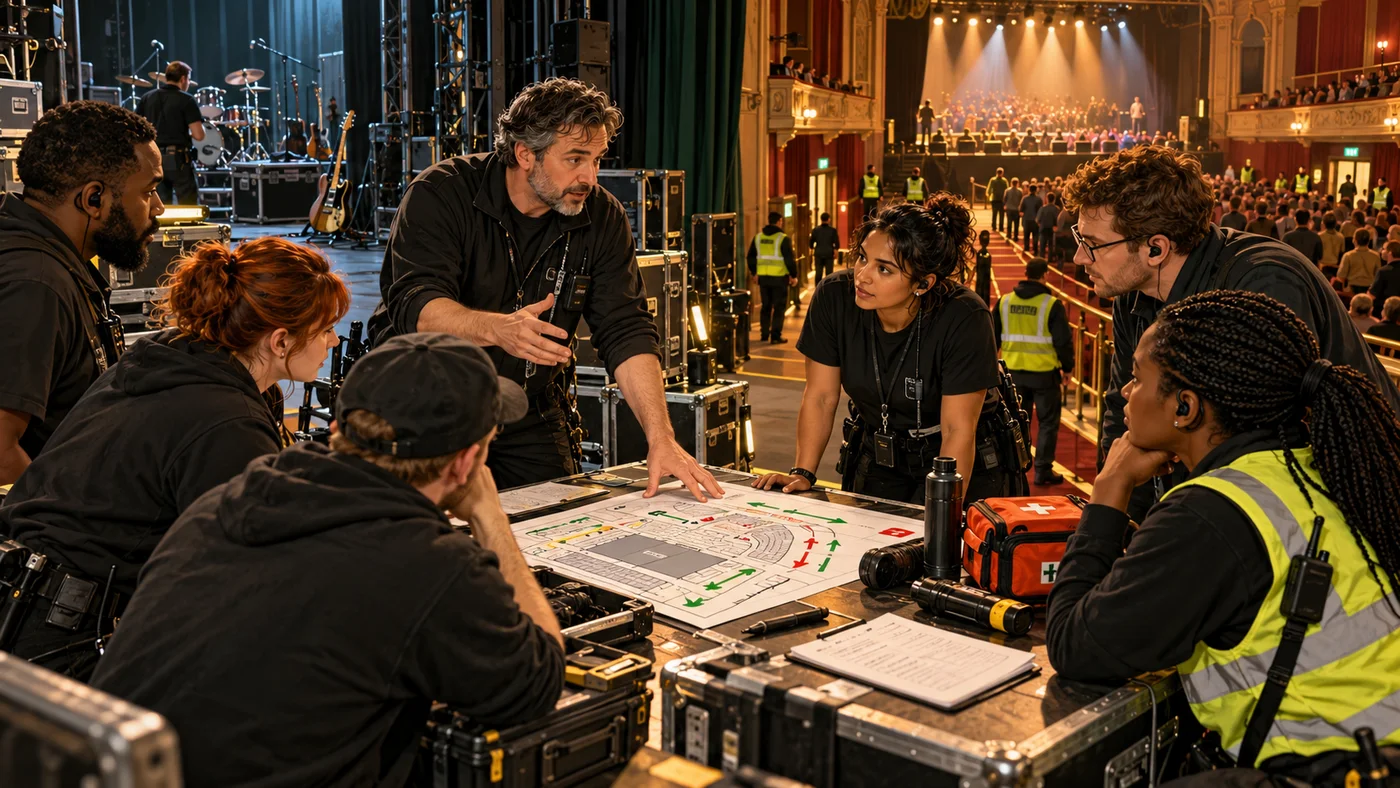
Specify any required competence for rigging, electrics, machinery, pyrotechnics, work at height or crowd management. Require employees to follow approved methods, report defects and stop or escalate unsafe work within their authority. Front-of-house roles need clear lines for evacuation, aggressive behaviour, accessibility and medical incidents. Keep detailed venue routes and emergency actions in live plans rather than freezing them into the contract.
Creative rights, recordings and publicity
Explain ownership and permitted use of work created in employment, while recognising that performers, writers, designers and technicians contribute different materials. State whether recording, photography, streaming, promotional interviews or social-media participation are normal duties, optional activities or subject to separate consent and payment.

Avoid an unlimited clause that claims every idea or personal project. Define confidential production information, scripts, designs, audience data and unreleased material. Where credits are promised, explain the practical process and correction route. Obtain specialist advice for complex rights, union or collective-agreement issues.
Touring, travel and personal equipment
If touring is required, set the likely territory, notice, travel time treatment, accommodation standard, expenses, insurance and rest arrangements. Explain responsibility for passports, visas and essential personal circumstances without making the employee bear business travel costs unexpectedly.
List any personal instrument, costume or equipment the employee agrees to provide, including insurance, storage and damage reporting. The employer should provide suitable work equipment where that is the agreed arrangement. Do not assume a creative worker will supply expensive tools simply because they own them.
Conduct, safeguarding and public-facing work
Public-facing roles may involve children, vulnerable people, schools or community groups. Define professional boundaries, supervision, reporting and role-appropriate checks through current safeguarding procedures. A check should reflect legal eligibility and the actual activity, not be requested automatically for every arts role.
Set expectations for respectful rehearsal rooms, intimacy or sensitive-content processes, alcohol, harassment reporting and audience interaction. Provide more than a contractual prohibition: employees need a named reporting route and protection from retaliation.
Contract checklist
- Define the production, role, reporting line and decision limits.
- Record rehearsal, performance, technical and touring hours.
- Separate artistic direction from safety and employment authority.
- Match specialist work to competence and training.
- Address recordings, publicity, confidentiality and creative rights.
- Explain travel, expenses and personal equipment.
- Link safeguarding, conduct and emergency duties to current procedures.
For practical scheduling principles, read the travel and tourism contract guide. When the role is mapped, build an arts and entertainment employment contract.
*This guide provides general UK employment information, not legal, intellectual-property, licensing or safety advice.*