industry-guides
Museums and heritage employment contracts: collections, learning and visitor roles
Create museum and heritage contracts covering collections authority, object handling, provenance, public programmes, visitor safety and rights.
Museums and heritage organisations employ curators, registrars, conservators, collections technicians, learning officers, visitor teams and site staff. These roles share responsibility for public trust, yet their authority over objects, interpretation, access and safety is not interchangeable. A role-specific employment contract makes accountability clearer while collections policies remain capable of change.
Why an industry and role-specific contract matters
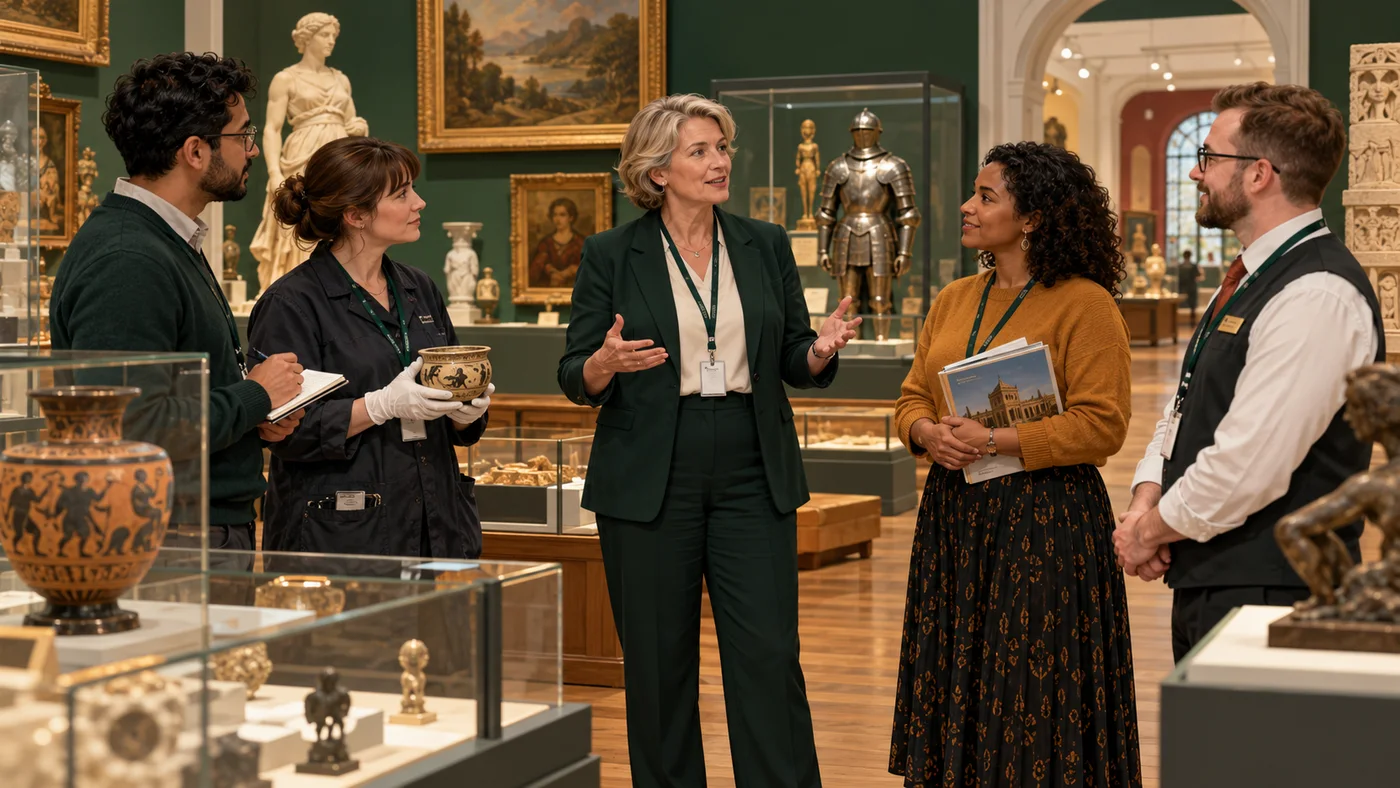
A curator develops collections and interpretation. A registrar controls documentation, loans and movement. A conservator assesses treatment. A technician prepares displays within competence. A learning officer designs public programmes, while visitor staff manage access and incidents. Generic “museum duties” wording can confuse who may acquire, move, conserve, lend or reproduce an object.
Specific terms define professional requirements, collection scope, work sites, handling authority, public duties, events, records, rights and escalation. They protect employees from being handed specialist decisions informally and help employers evaluate the right outcomes. Browse the museums and heritage contract collection.
Collections authority and professional boundaries
State who may recommend or approve acquisition, disposal, loan, movement, display, sampling or conservation. Identify any committee, trustee or senior sign-off. Employees should follow approved collections policies and raise conflicts, provenance gaps or unsafe instructions.
Do not assume that experience in one material makes a person competent for every object. Record any essential qualification or specialist responsibility accurately. If the role spans historic buildings, archaeology, natural science, art or human remains, define the actual remit and access to expert advice.
Object handling, stores and conservation
Identify what handling and movement are normal, which tasks require training or team lifting and who may isolate hazards. State access and key responsibilities for stores, cases, environmental controls and contractors.
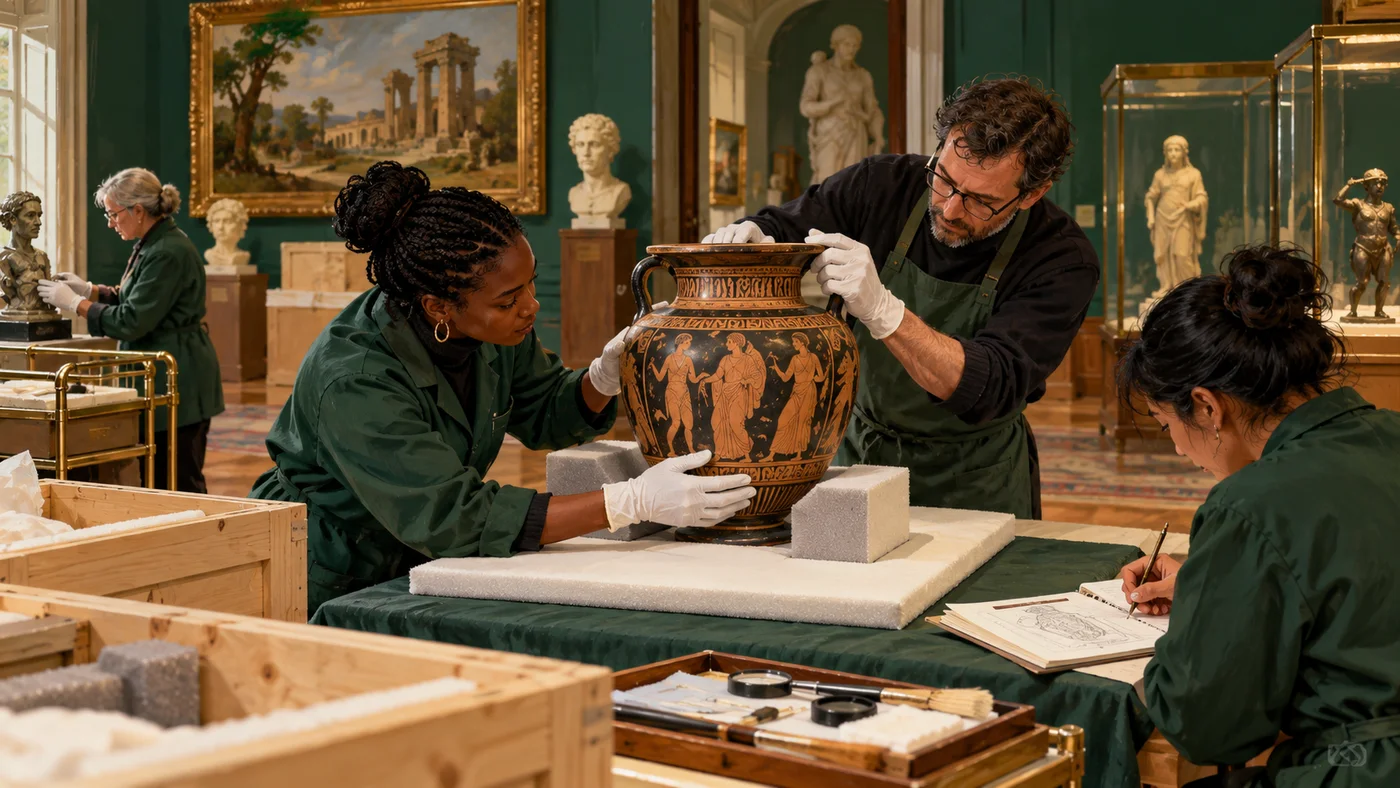
Detailed methods belong in live procedures, but the contract can require compliance, accurate movement records and immediate reporting of damage or environmental failure. Employees should be authorised to pause a move that exceeds the plan or their competence.
Government guidance on the care of human remains in museums illustrates how some collections require particular provenance, consultation, storage and specialist oversight. Assign such work explicitly rather than hiding it inside a general curator clause.
Visitors, learning and public events
Define gallery, tour, school, workshop and event duties. Learning staff need clear responsibility for content, group management and safeguarding; visitor teams need authority for access rules, conflict, evacuation and emergency escalation. Use role-appropriate checks rather than a blanket assumption that all museum employees require the same DBS check.
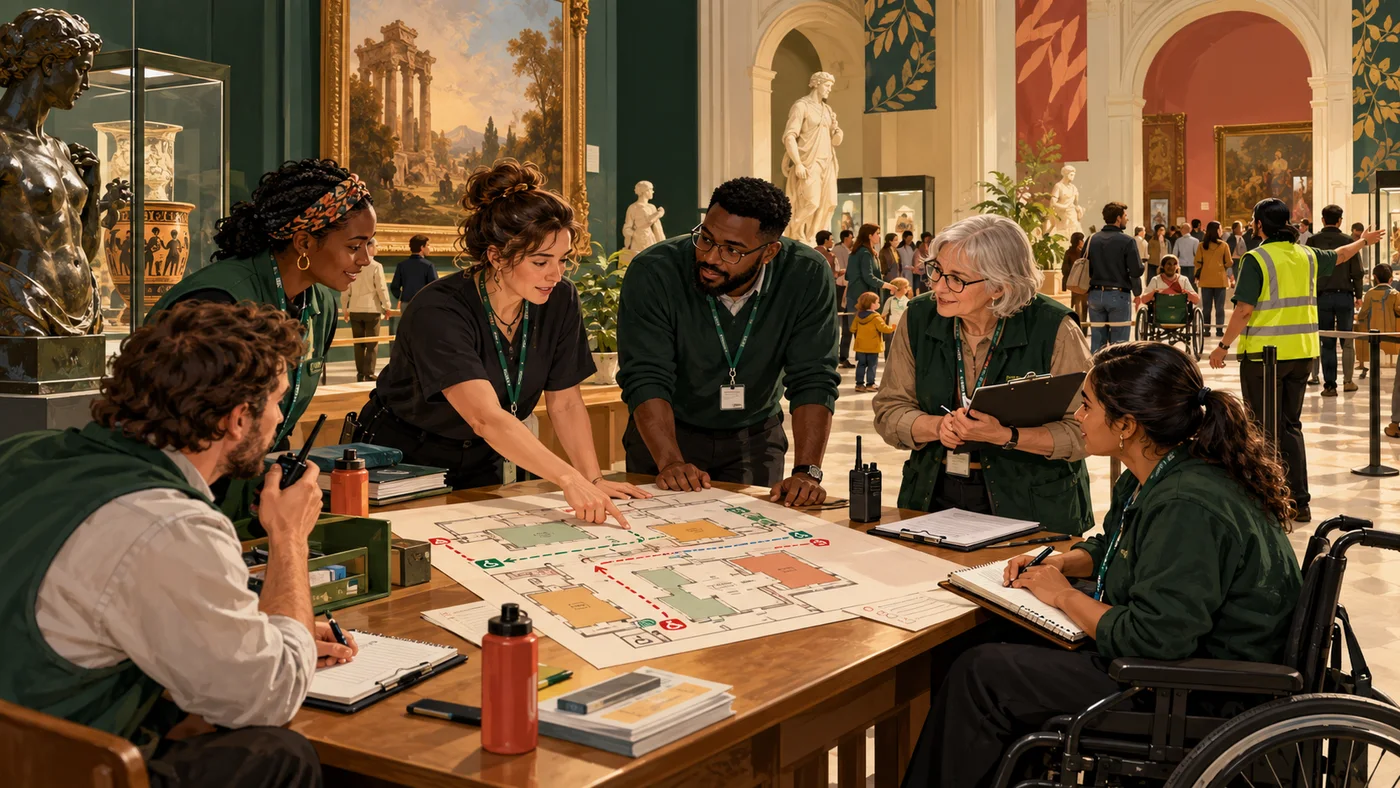
State evening, weekend and bank-holiday expectations, event cover, rota notice and additional-hours treatment. Setup, security handover and closing activity should be paid where required. Heritage sites may also need realistic outdoor, weather, remote-site or work-at-height wording tied to competence.
Provenance, research and reproduction rights
Define who researches and records provenance, conducts due diligence, approves researcher access or responds to claims. Employees should preserve evidence and escalate uncertainty, not be pressured to reach a convenient conclusion.

State authority over photography, digitisation, image licensing, publication and takedown requests. Protect confidential donor, lender and security information while allowing lawful reporting. Intellectual-property clauses should cover work created in employment but not sweep up unrelated personal research or art.
Loans, couriers and travel
Where employees arrange or accompany loans, define courier authority, travel notice, insurance coordination, expenses, accommodation, emergency contact and working-time treatment. Explain who signs condition reports and who can approve changes in transit or installation.
For staff working across museums, stores, monuments or excavation sites, define a reasonable mobility area. Provide equipment and risk controls appropriate to the site rather than relying on a generic travel clause.
Volunteers, casual staff and employment status
Museums often combine employees, volunteers, freelancers and casual event staff. Give each group an accurate arrangement. Volunteers should not silently replace accountable professional responsibilities, and calling regular controlled work “casual” does not decide status.
Employees who supervise volunteers need that duty stated, including induction, boundaries, records and escalation. Avoid making them personally responsible for understaffing or every volunteer action.
Contract checklist
- Separate curator, registrar, conservator, technician and visitor authority.
- Define acquisition, loans, movement, treatment and store access.
- Match handling and hazardous collections to competence.
- Record public events, safeguarding, hours and incident roles.
- Clarify provenance, research and reproduction approval.
- Address courier travel and multiple heritage sites.
- Distinguish employees, volunteers, freelancers and casual staff accurately.
For parallel collection responsibilities, see the libraries and archives guide. When authority is clear, build a museums and heritage employment contract.
*This guide provides general UK employment information, not legal, conservation, collections, safeguarding or intellectual-property advice.*