
industry-guides
Sports and recreation employment contracts: coaches, officials and facility roles
Create sports and recreation contracts covering coaching scope, safeguarding, facilities, session safety, fixtures, travel and irregular hours.
Sports clubs and recreation providers employ coaches, officials, activity leaders, grounds and facility teams, programme coordinators and administrators. Their work overlaps around participants and venues, but responsibility for instruction, safeguarding, equipment and operational decisions varies. A role-specific contract establishes the employment framework while session plans and risk controls stay current.

Why an industry and role-specific contract matters
A coach designs or delivers sessions within qualifications. An official applies competition rules independently. A facility worker inspects premises and equipment. A programme coordinator schedules people and venues. Generic “assist with sport” wording obscures who may supervise participants, cancel activity, administer first aid or declare equipment safe.
Specific terms define the activity, participant group, qualifications, supervision, normal venues, hours, travel, safeguarding, equipment authority and incident escalation. They make fair performance review possible and help participants receive consistent care. Select the closest role from the sports and recreation contract collection.
Coaching scope and competence
Record the sports or activities the employee may deliver, whether they plan sessions, the level of participants and any required qualifications or governing-body status. State the duty to keep essential credentials current and report restrictions. Clarify what support the employer provides for agreed renewal or development.
Differentiate coaching from medical diagnosis, physiotherapy and specialist safeguarding decisions unless the person is appointed and qualified for those duties. Employees need authority to adapt or stop a session where conditions or participant welfare make continuation unsafe.
Safeguarding and role-appropriate checks
Define professional boundaries, supervision ratios, changing-room or transport responsibilities, digital communication and concern reporting through current procedures. The contract should identify the duty to follow those procedures and escalate, not attempt to contain a complete safeguarding code.

Government DBS guidance for sport roles involving adults shows eligibility depends on what the person actually does; ordinary leisure or gym work is not automatically eligible for an enhanced adult-workforce check. Assess each role and participant group rather than inserting a blanket requirement.
Session safety and equipment
The HSE’s leisure guidance explains that employers and self-employed providers must do what is reasonably practicable to protect employees and people affected by their work. Define who conducts pre-session checks, records defects, controls access and decides whether activity can proceed.
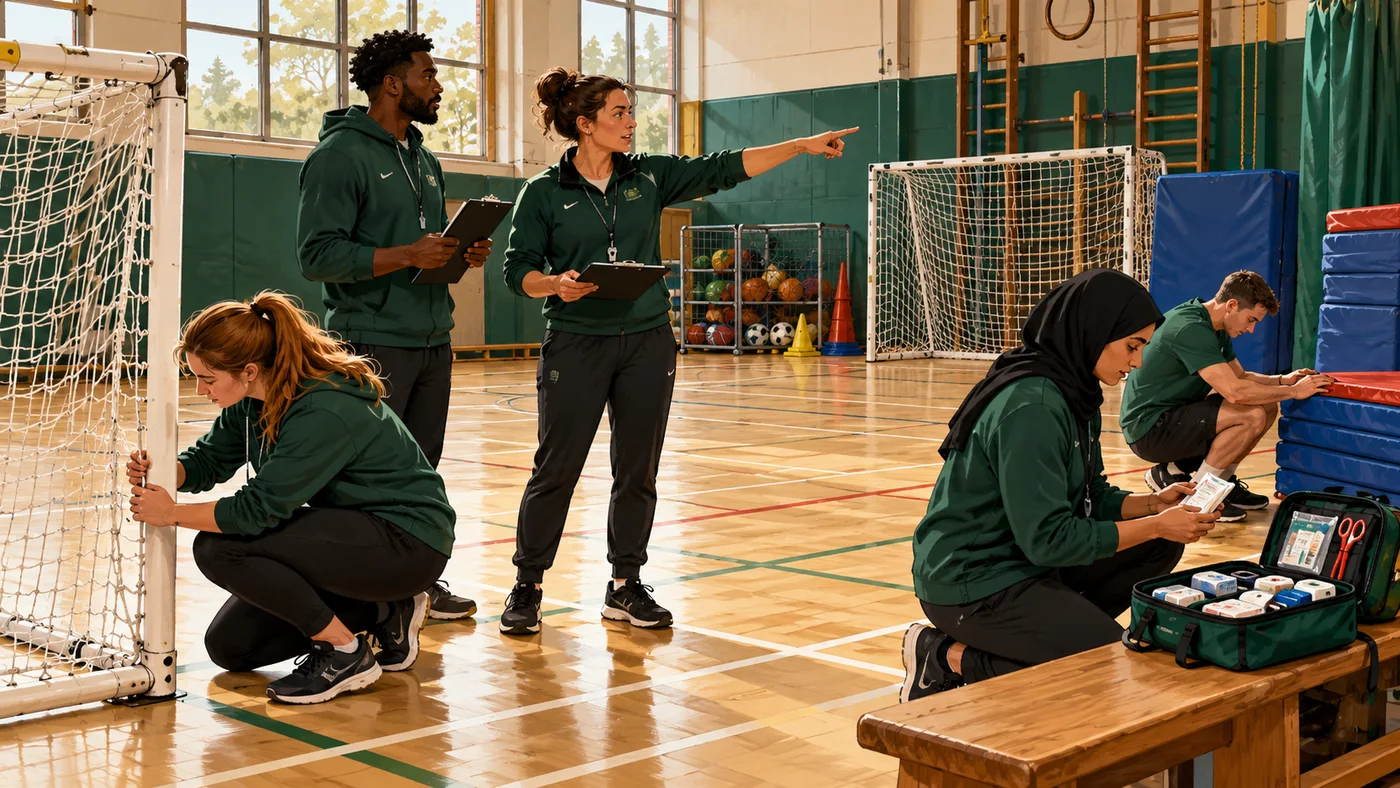
Match duties to competence for goals, climbing equipment, water activity, machinery or specialist facilities. State first-aid expectations only where training and cover exist. Detailed inspection frequency and emergency action should remain in current operational procedures.
Fixtures, travel and irregular hours
Record evenings, weekends, school holidays, match days, tournaments and seasonal variation. Explain rota notice, cancellation, additional hours and time off. A fixed-term season does not remove ordinary employment rights, and a zero-hours label should not disguise predictable regular work.
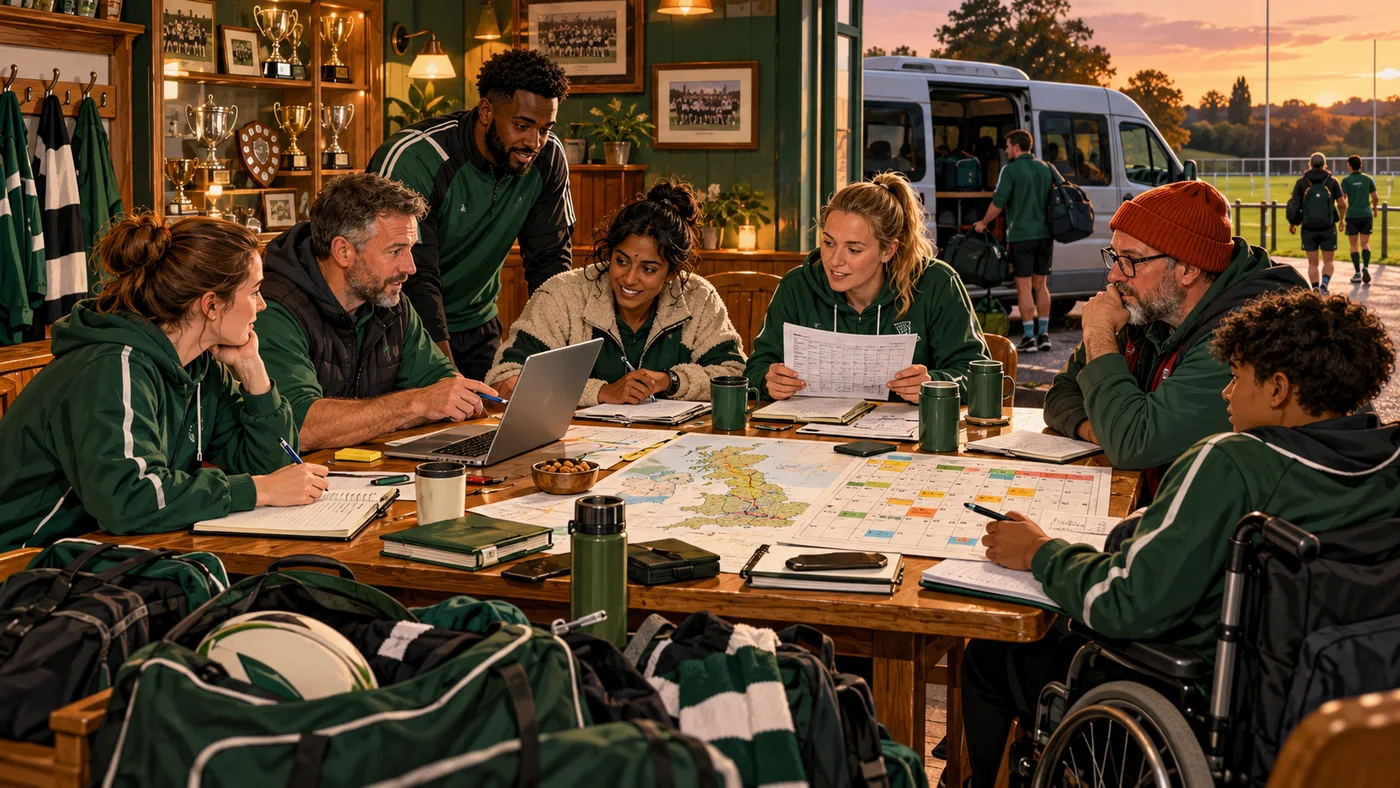
Where travel is required, cover driving authority, participant transport, vehicle checks, insurance, expenses, accommodation and overnight supervision. Treat required preparation, debrief and handover time consistently. Employees should not be expected to transport participants privately unless this is agreed, safe and insured.
Performance, selection and conflicts
Distinguish employee performance from team results, participant attendance or funding decisions outside the person’s control. Set expectations around session quality, safety, records, development and conduct. Coaches and officials may need independence from parent, player or sponsor pressure.
Address gifts, private coaching, competing clubs, betting, selection conflicts and confidential performance information proportionately. A conflict process should require disclosure and management, not an unnecessary ban on all outside sport activity.
Facilities, weather and cancellations
Identify who monitors weather, pitch or venue conditions and who has cancellation authority. Explain pay and alternative duties when sessions are cancelled, particularly where employees have already travelled or prepared. Do not leave cancellation risk entirely with hourly staff where the employment arrangement requires availability.
Facility roles need clear responsibility for opening, closing, keys, plant, public access, cleaning, defect isolation and contractor liaison. Lone opening or closing should connect to check-in and emergency procedures.
Contract checklist
- Define activity, participant group and coaching or official authority.
- Record qualifications, renewal and competence limits.
- Match safeguarding duties and DBS checks to the real role.
- Assign equipment, venue and cancellation decisions.
- Explain fixtures, seasonal hours, travel and expenses.
- Use fair measures beyond results or attendance.
- Address private coaching, selection and betting conflicts.
For health-related support boundaries, read the physiotherapy employment-contract guide. When the duties are mapped, build a sports and recreation employment contract.
*This guide provides general UK employment information, not legal, safeguarding, governing-body or safety advice.*