Day-to-day operating brief
What Extreme Sports Guide (Skate/BMX) work looks like in practice
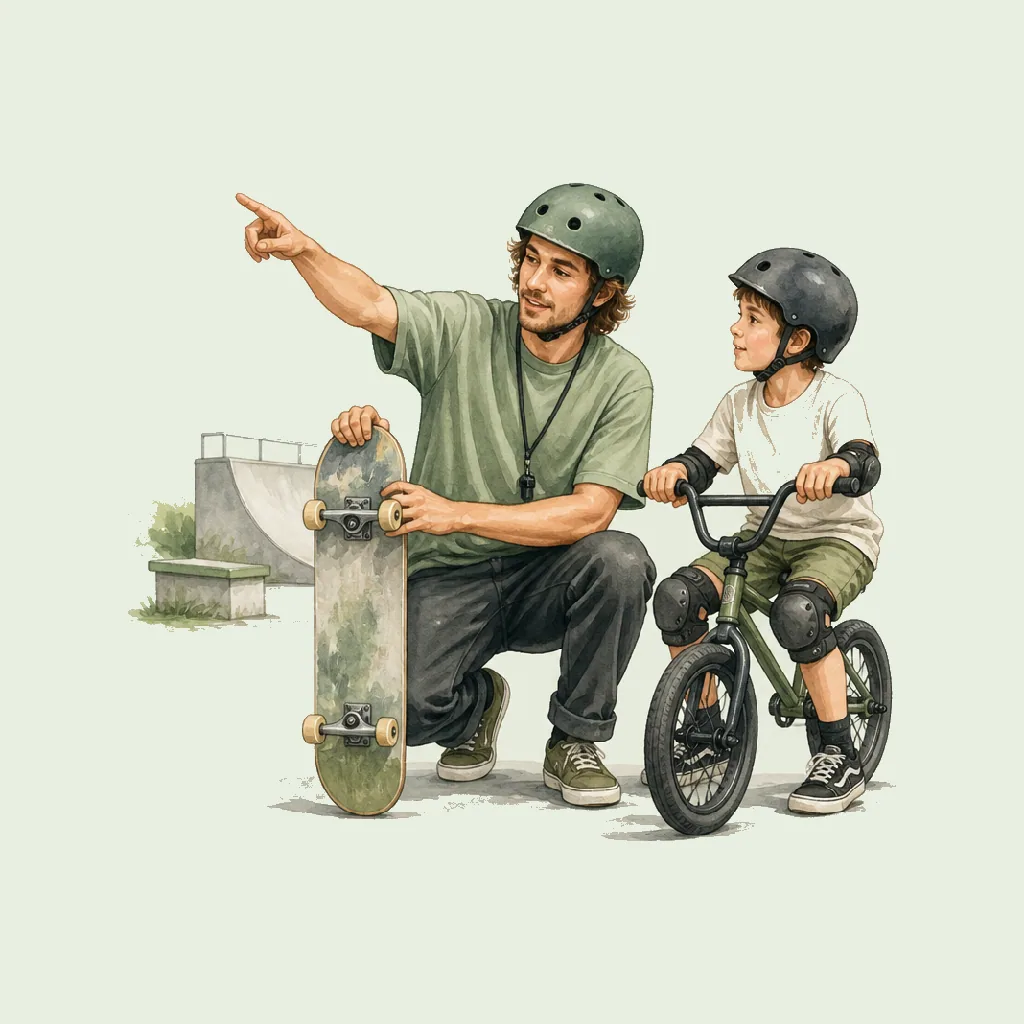
A Skate and BMX Guide introduces participants to park etiquette, balance, ramps and progressive skills. Terms should cover bike or board condition, helmets and protection, park inspection, ability grouping, demonstrations, public users, filming, weather and first response. The guide should not pressure participants into tricks, certify equipment they cannot inspect competently or use closed features without venue authority. Extreme Sports Guide (Skate/BMX) is a sports & recreation role focused on extreme sports guide (skate/bmx) work planning, sports and recreation records, extreme sports guide (skate/bmx) quality checks, sports and recreation escalation, extreme sports guide (skate/bmx) stakeholder updates, extreme, sports, guide. The contract should describe the role's practical duties, reporting route, records, standards and compliance obligations without importing wording from another industry The Employee is employed as Extreme Sports Guide (Skate/BMX) in the Employer's Sports & Recreation business. The role requires reasonable skill, care, accuracy, cooperation with management instructions and attention to the records, risks and standards specific to extreme sports guide (skate/bmx) work The Employee must follow the sports & recreation operational controls that apply to extreme sports guide (skate/bmx) work, including workplace procedures, records, customer or client standards, data protection, health and safety and escalation, accurate record keeping, escalation and safe working requirements The Employee must protect customer, client, supplier, employee, operational, financial, safety and role-specific records, including any personal data, customer or client information, operational records, pricing, credentials, security information, business plans and role-specific records accessed while performing extreme sports guide (skate/bmx) duties Extreme Sports Guide (Skate/BMX) work in Sports & Recreation must follow the Employer's policies, data protection controls, health and safety rules, role records, escalation routes and training requirements relevant to extreme sports guide (skate/bmx) work planning, sports and recreation records, extreme sports guide (skate/bmx) quality checks. Family: operational Extreme Sports Guide (Skate/BMX) Operational reliability Safe working Record keeping BMX checks include tyres, bars, cranks and pegs, while skateboard checks focus on decks, trucks and wheels. Park guidance should identify bowls, transition, street features and the agreed run order, with spotters controlling crossings before any filmed demonstration.
Responsibilities reflected in the contract
- Inspect park surfaces and activity zones.
- Check participant equipment and readiness.
- Brief etiquette and teach progressive skills.
- Control spacing demonstrations and spectators.
- Record falls defects and safeguarding concerns.
A realistic working scenario
A Skate and BMX Guide introduces participants to park etiquette, balance, ramps and progressive skills. Terms should cover bike or board condition, helmets and protection, park inspection, ability grouping, demonstrations, public users, filming, weather and first response. The guide should not pressure participants into tricks, certify equipment they cannot inspect competently or use closed features without venue authority.
Outputs to agree
- inspect park surfaces and activity zones
- check participant equipment and readiness
- brief etiquette and teach progressive skills
Records and evidence
- The disciplines park and instructor competence.
- The participant ages ratios and session format.
- The PPE equipment and feature controls.
- The injury safeguarding and emergency routes.
- Work records.
- Handover notes.
Reporting relationship
Typically reports to Line Manager or Department Manager. Confirm the employer's actual reporting structure in the builder.
Authority and escalation
- A Skate and BMX Guide introduces participants to park etiquette, balance, ramps and progressive skills. Terms should cover bike or board condition, helmets and protection, park inspection, ability grouping, demonstrations, public users, filming, weather and first response. The guide should not pressure participants into tricks, certify equipment they cannot inspect competently or use closed features without venue authority.
- May allocate routine work and make operational decisions only within documented staffing, financial, contractual and policy limits.
Supervision
- Brief etiquette and teach progressive skills.
- Allocate and review assigned work within delegated authority and escalate formal people matters through the Employer's procedures.
Workplace context
- Office, client premises, remote systems or assigned work locations.
Training and certification
- Complete employer-required safeguarding training.
- Complete employer-required health and safety training.
Contract priorities
- the disciplines park and instructor competence
- the participant ages ratios and session format
- the PPE equipment and feature controls
- the injury safeguarding and emergency routes
Information the employer should prepare
- the disciplines park and instructor competence
- the participant ages ratios and session format
- the PPE equipment and feature controls
- the injury safeguarding and emergency routes
- the park manager first aider and maintenance contacts
Individually written and reviewed against the maintained role record.



 £19.99 one-off contractPreview before payment, then download the branded PDF and send for signature.
 Employment Contract
 Employee Handbook
 Contract + Handbook Bundle
 HR Actions
 HR Actions Unlimited
 Compliance Membership