Day-to-day operating brief
What Prison Vet (Zoological licencing) work looks like in practice
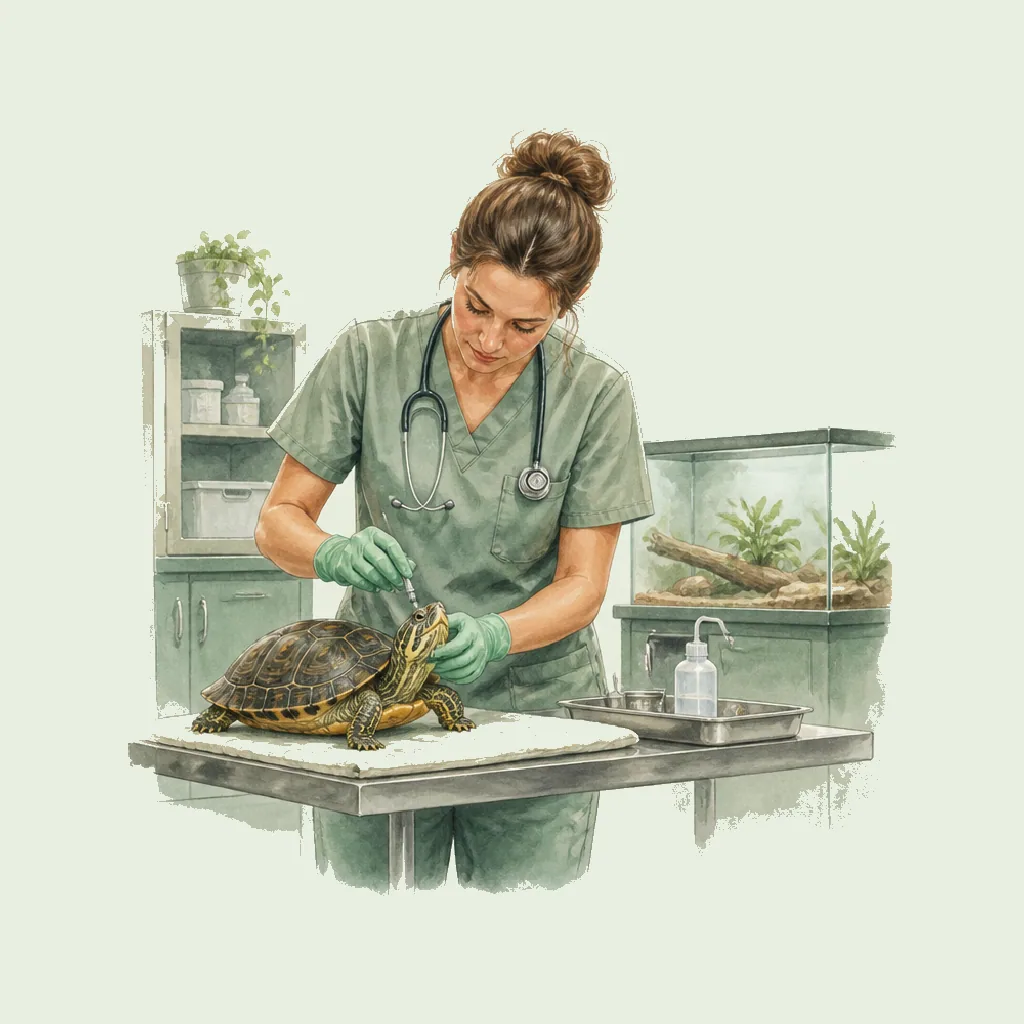
A vet working in a prison or licensed zoological setting treats animals within strict security and animal-licensing arrangements. Terms should cover registration, escorted access, tools and medicines, species competence, records, quarantine, escapes, dangerous animals, inspections and emergency response. Security instructions should be followed without compromising lawful professional welfare duties. Prison Vet (Zoological licencing) is a veterinary role focused on prison vet (zoological licencing) work planning, veterinary records, prison vet (zoological licencing) quality checks, veterinary escalation, prison vet (zoological licencing) stakeholder updates, prison, vet, role duties. The contract should describe the role's practical duties, reporting route, records, standards and compliance obligations without importing wording from another industry The Employee is employed as Prison Vet (Zoological licencing) in the Employer's Veterinary business. The role requires reasonable skill, care, accuracy, cooperation with management instructions and attention to the records, risks and standards specific to prison vet (zoological licencing) work The Employee must follow the veterinary operational controls that apply to prison vet (zoological licencing) work, including RCVS escalation, patient safety, clinical records, consent procedures, medicines controls where authorised and incident reporting, accurate record keeping, escalation and safe working requirements The Employee must protect patient, clinical, prescription, treatment, appointment, medication, safeguarding and regulated health records, including any personal data, customer or client information, operational records, pricing, credentials, security information, business plans and role-specific records accessed while performing prison vet (zoological licencing) duties Prison Vet (Zoological licencing) work in Veterinary must follow RCVS expectations where they apply, the Employer's policies, data protection controls, health and safety rules, role records, escalation routes and training requirements relevant to prison vet (zoological licencing) work planning, veterinary records, prison vet (zoological licencing) quality checks. Family: clinical Prison Vet (Zoological licencing) Clinical accuracy Patient confidentiality Regulatory awareness Tool counts and controlled-medicine balances should be reconciled at every secure-area transition. Welfare recommendations need a route to the licence holder that preserves clinical independence and security evidence.
Responsibilities reflected in the contract
- Provide clinical care within secure access rules.
- Assess welfare husbandry and licence conditions.
- Control medicines tools and clinical waste.
- Coordinate quarantine restraint and specialist referral.
- Record concerns and escalate emergencies.
A realistic working scenario
A vet working in a prison or licensed zoological setting treats animals within strict security and animal-licensing arrangements. Terms should cover registration, escorted access, tools and medicines, species competence, records, quarantine, escapes, dangerous animals, inspections and emergency response. Security instructions should be followed without compromising lawful professional welfare duties.
Outputs to agree
- provide clinical care within secure access rules
- assess welfare husbandry and licence conditions
- control medicines tools and clinical waste
Records and evidence
- The facilities species and licensing framework.
- The clearance access and on-call arrangements.
- The medicines equipment and record systems.
- The escape security and veterinary emergency routes.
- Work records.
- Handover notes.
Reporting relationship
Typically reports to Line Manager or Department Manager. Confirm the employer's actual reporting structure in the builder.
Authority and escalation
- A vet working in a prison or licensed zoological setting treats animals within strict security and animal-licensing arrangements. Terms should cover registration, escorted access, tools and medicines, species competence, records, quarantine, escapes, dangerous animals, inspections and emergency response. Security instructions should be followed without compromising lawful professional welfare duties.
- Obtain approval before committing expenditure, changing contractual commitments or making regulated or staffing decisions outside the assigned role.
Tools and systems
- Care planning systems.
- Mobility equipment.
Workplace context
- Regulated care, clinical, education or service premises.
Training and certification
- Complete employer-required safeguarding training.
- Complete employer-required health and safety training.
Contract priorities
- the facilities species and licensing framework
- the clearance access and on-call arrangements
- the medicines equipment and record systems
- the escape security and veterinary emergency routes
Information the employer should prepare
- the facilities species and licensing framework
- the clearance access and on-call arrangements
- the medicines equipment and record systems
- the escape security and veterinary emergency routes
- the governor licence holder keepers and regulators contacts
Individually written and reviewed against the maintained role record.



 £19.99 one-off contractPreview before payment, then download the branded PDF and send for signature.
 Employment Contract
 Employee Handbook
 Contract + Handbook Bundle
 HR Actions
 HR Actions Unlimited
 Compliance Membership