Day-to-day operating brief
What Security Guard work looks like in practice
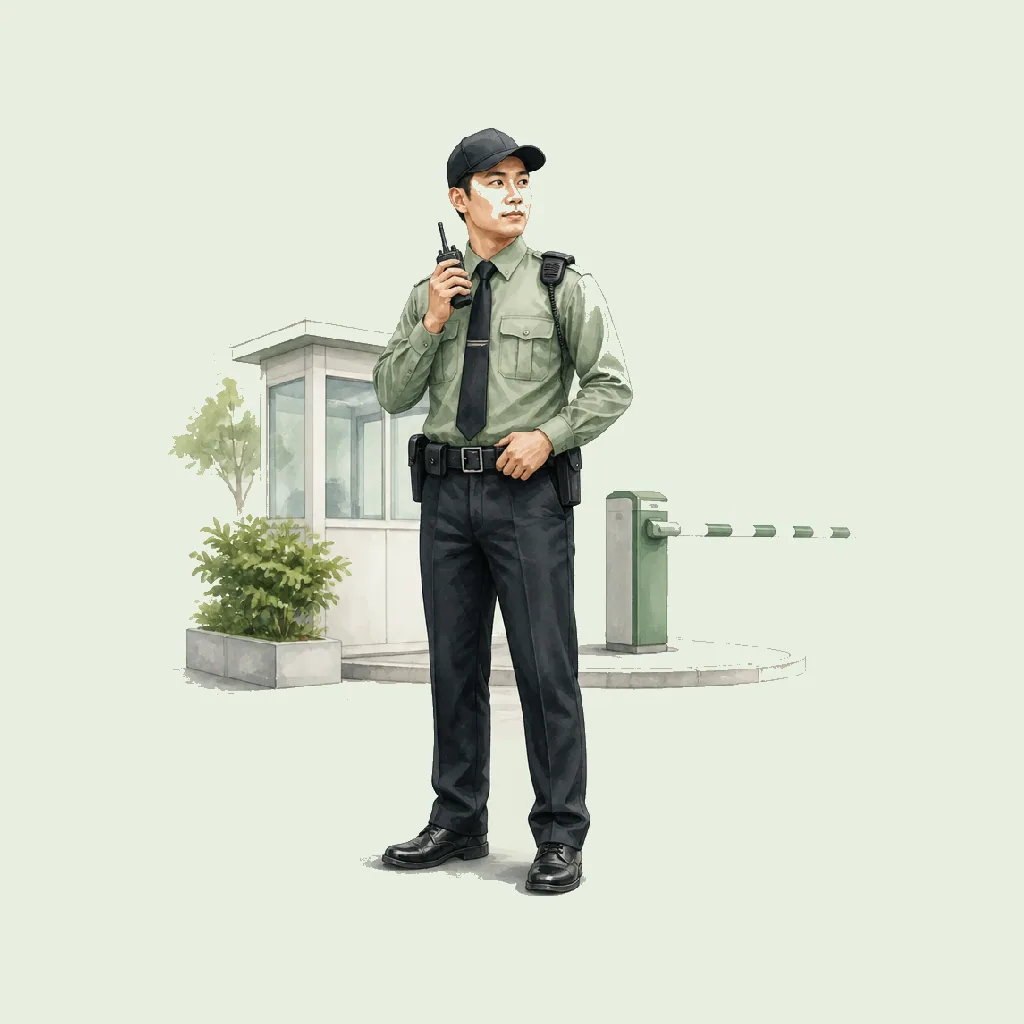
A Security Guard protects people, premises and assets through patrols, access checks, alarm response and visible presence. Duties vary sharply by site and may include CCTV, searches or key custody only where lawful, trained and authorised. Terms should define location, licence requirements where applicable, shifts, uniform, equipment, patrol evidence, visitor rules, use-of-force limits, detention, lone work, emergencies and reporting. Patrol instructions should identify high-risk points, expected conditions and the action required when something differs, not merely demand timestamp scans. Notes must separate what the guard observed from information provided by others. During medical or fire events, the guard supports the site plan and emergency services within training. Personal phones should not be used casually to photograph incidents where approved equipment and evidence controls apply. Key and access-card handovers should reconcile identifier, holder, time and condition. A missing item requires immediate escalation rather than waiting for the next shift to search informally.
Individually written and reviewed against the maintained role record.



 £19.99 one-off contractPreview before payment, then download the branded PDF and send for signature.
 Employment Contract
 Employee Handbook
 Contract + Handbook Bundle
 HR Actions
 HR Actions Unlimited
 Compliance Membership