Day-to-day operating brief
What Cremator Operator (Combustion) work looks like in practice
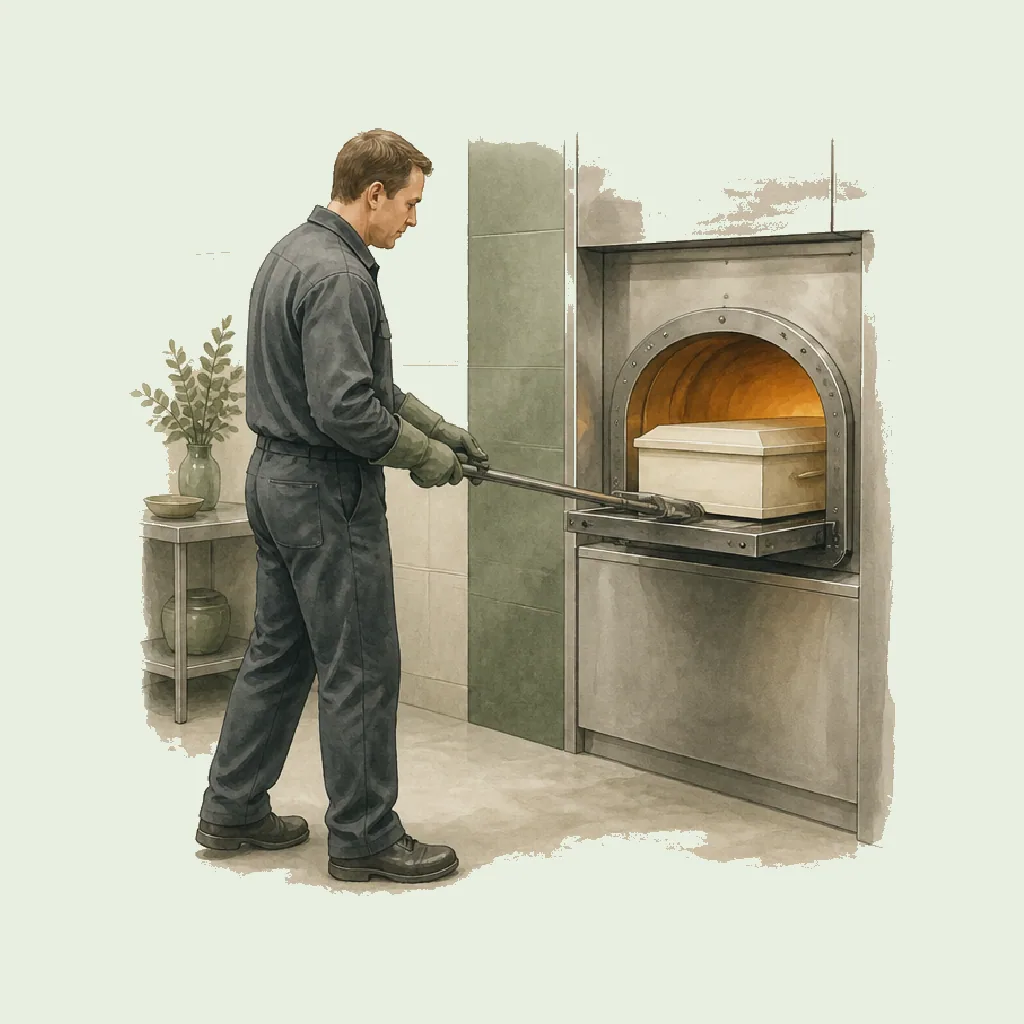
A Cremator Operator runs cremation plant after the service, maintaining the identity and dignity of each case from acceptance through recovery of remains. The contract should cover verified authority to cremate, coffin and case checks, charging sequence, burner and chamber monitoring, abatement equipment, emissions records, breakdowns, refractory observations, cooling, removal and transfer for processing, cleaning, maintenance isolation, heat exposure and emergency response. It must clearly allocate technical competence and prevent throughput pressure from overriding identity or plant-safety controls. Cremator operation combines case-specific dignity with industrial plant control. The operator must reconcile paperwork, identifier and schedule before charging, then monitor the cycle and abatement system according to the equipment and site permit. Terms should address competency assessment, manual and automatic controls, alarm response, emergency shutdown, refractory damage, fuel, emissions and contractor isolation. Recovery and cooling of remains requires its own traceable sequence before any further processing, with clear arrangements for implants, metals, exceptional cases, equipment cleaning and an incident that could affect identity or completeness.
Individually written and reviewed against the maintained role record.



 £19.99 one-off contractPreview before payment, then download the branded PDF and send for signature.
 Employment Contract
 Employee Handbook
 Contract + Handbook Bundle
 HR Actions
 HR Actions Unlimited
 Compliance Membership