Day-to-day operating brief
What Skate Instructor (Roller) work looks like in practice
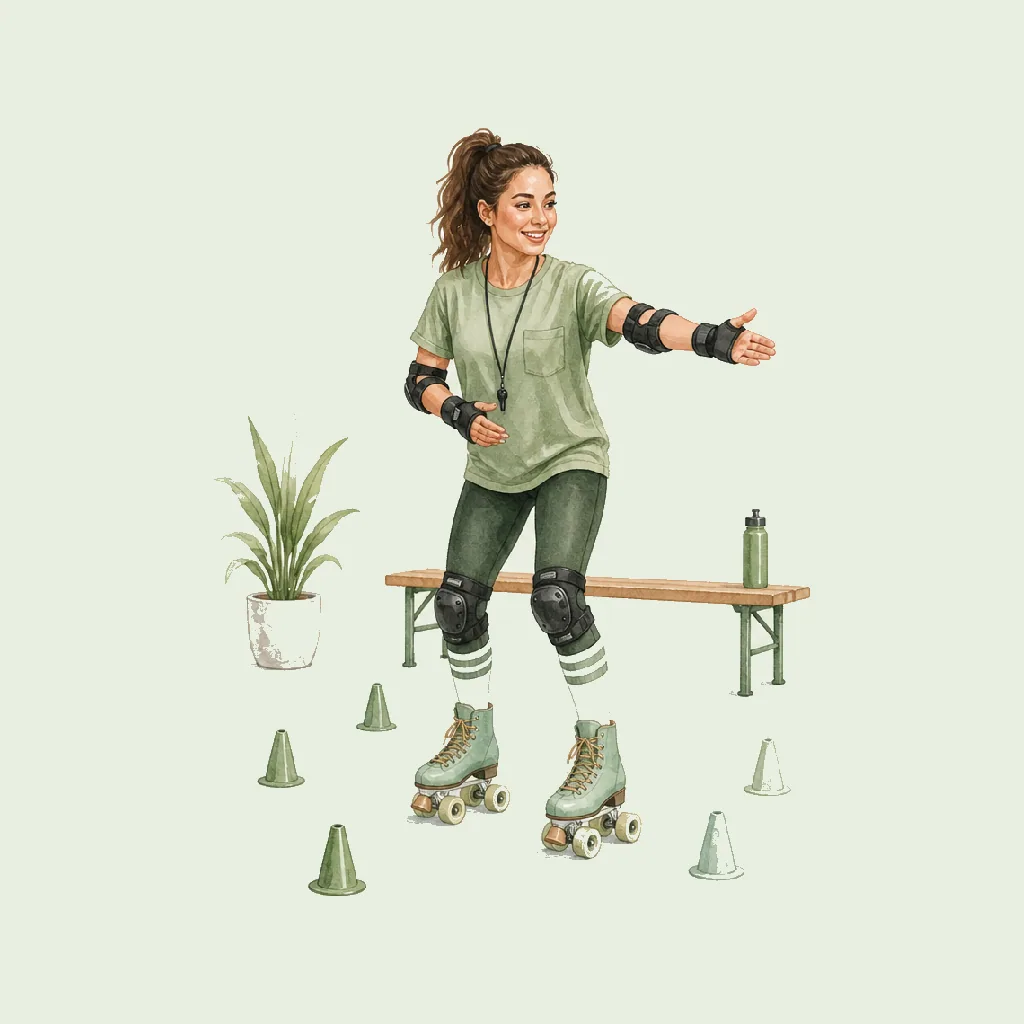
A Roller Skating Instructor teaches balance, stopping, turning and more advanced skills at a rink or approved outdoor site. Terms should define ages and levels, skate fitting, helmets and protective equipment, surface checks, direction of travel, class separation, music, capacity, falls, demonstrations, safeguarding, events, equipment cleaning and limits on speed or tricks beyond participant readiness. Roller-skating instruction depends on surface, traffic flow, protective equipment and controlled progression from stopping to turns and more advanced skills. The instructor should check skate fit, wheels, trucks, laces and venue hazards, separate ability groups and maintain safe spacing. Terms may distinguish recreational, artistic, derby and speed content because competence and collision risks differ. Employers should cover helmet and pad policy, music, rink capacity, falls, first aid, equipment hire records and the authority to remove damaged skates or reckless participants from a session.
Individually written and reviewed against the maintained role record.



 £19.99 one-off contractPreview before payment, then download the branded PDF and send for signature.
 Employment Contract
 Employee Handbook
 Contract + Handbook Bundle
 HR Actions
 HR Actions Unlimited
 Compliance Membership