Day-to-day operating brief
What Assembly Line Worker work looks like in practice
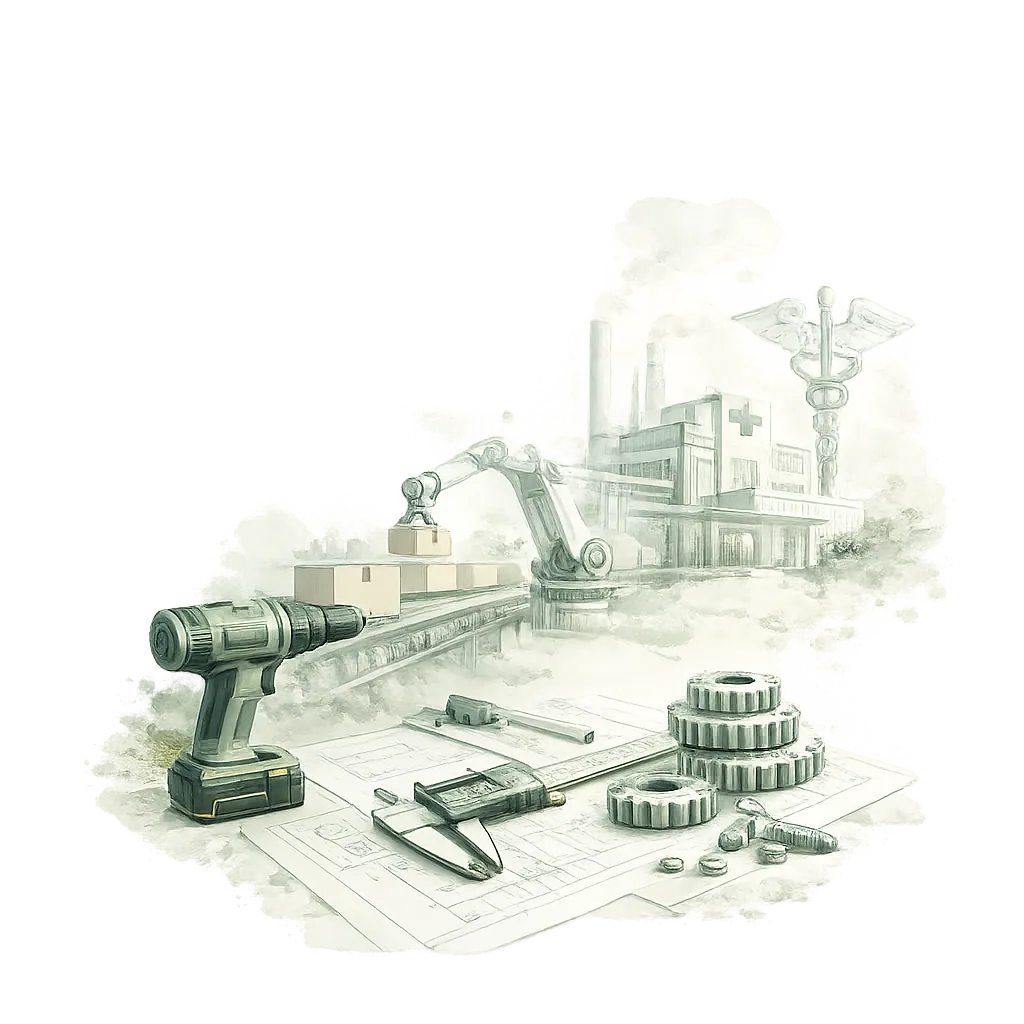
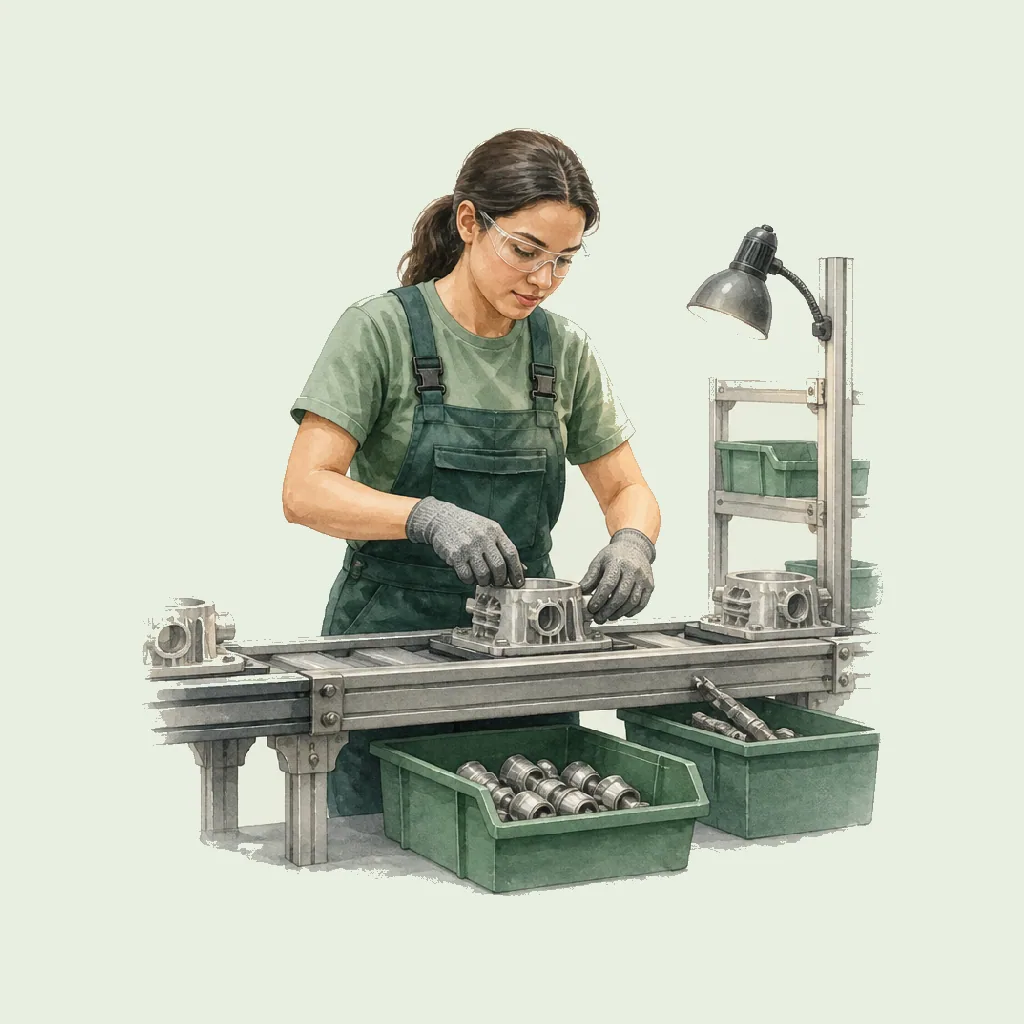
An Assembly Line Worker fits components through repeatable manual or assisted operations. Terms should identify line, products, work instructions, takt expectations, tools, fixtures, torque or fit checks, scanning, traceability, rotation, ergonomic controls and defect escalation. Employees should not be pressured to use the wrong component, continue with damaged tooling or bypass a check to maintain speed. Assembly quality can depend on details such as fastener sequence, adhesive cure, connector seating or orientation marks, so the work instruction and visual aids must be accessible at the station. The employee may rotate between tasks only after the relevant training is recorded. Terms should address rejected bins, component shortages, line clearance between variants and protection of unfinished assemblies. If the line stops, employees should use authorised recovery steps and never reach into automated equipment or improvise a missing fixture. Employers should specify how variant changes are announced and acknowledged, because an unnoticed revision to connectors, fasteners or software-loaded components can affect many units before detection.
Individually written and reviewed against the maintained role record.



 £19.99 one-off contractPreview before payment, then download the branded PDF and send for signature.
 Employment Contract
 Employee Handbook
 Contract + Handbook Bundle
 HR Actions
 HR Actions Unlimited
 Compliance Membership