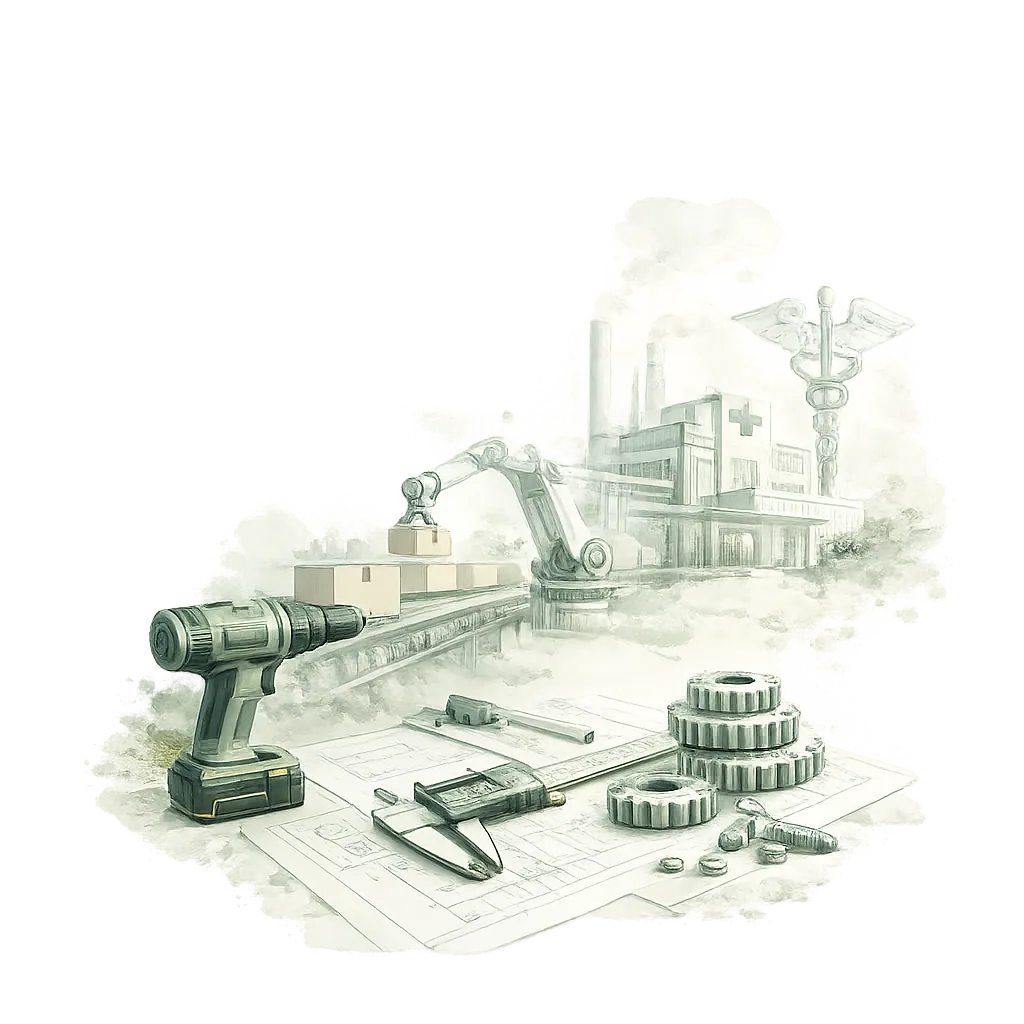
Day-to-day operating brief
What Electronics Assembler work looks like in practice
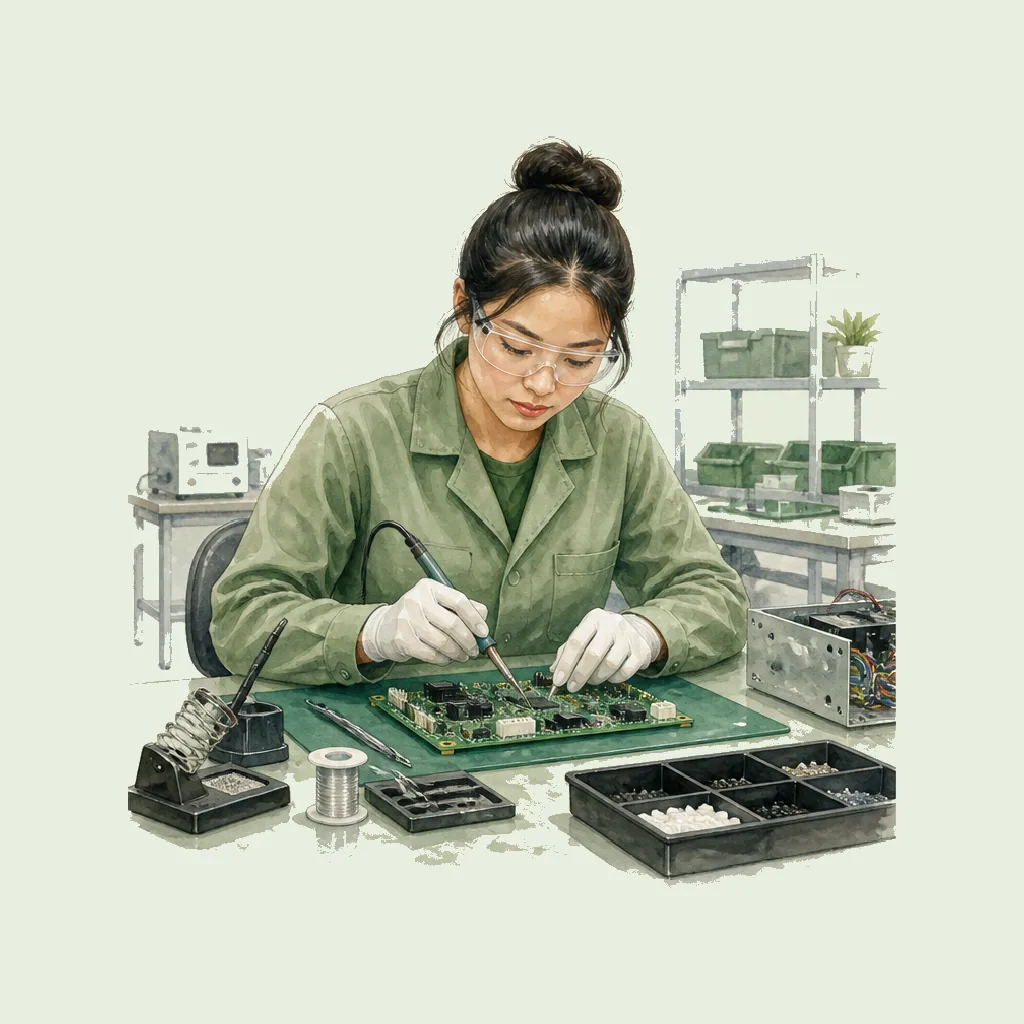
An Electronics Assembler builds circuit boards, harnesses or electronic units using drawings, bills of material and controlled instructions. Terms should cover ESD areas, soldering competence, component value and polarity, crimping, adhesives, magnification, cleanliness, serial tracking, rework and inspection. The assembler must not substitute components, bridge defects or use uncontrolled solder profiles to meet output. Electronics workmanship may include moisture-sensitive components, heat exposure limits and cleaning restrictions in addition to visible solder quality. The assembler should use the current bill of material and work instruction, verify programmable or serialised parts and keep ESD-safe packaging intact until needed. Terms can address fume extraction, lead-free and leaded process separation, hand-tool calibration and foreign-object control. Suspect boards should retain their failure identity through rework and inspection instead of returning anonymously to the production queue. Component storage should preserve moisture, temperature and static requirements, with opened reels or trays identified so exposure time and remaining quantity are not guessed at the workstation.
Individually written and reviewed against the maintained role record.



 £19.99 one-off contractPreview before payment, then download the branded PDF and send for signature.
 Employment Contract
 Employee Handbook
 Contract + Handbook Bundle
 HR Actions
 HR Actions Unlimited
 Compliance Membership