Day-to-day operating brief
What Welder work looks like in practice
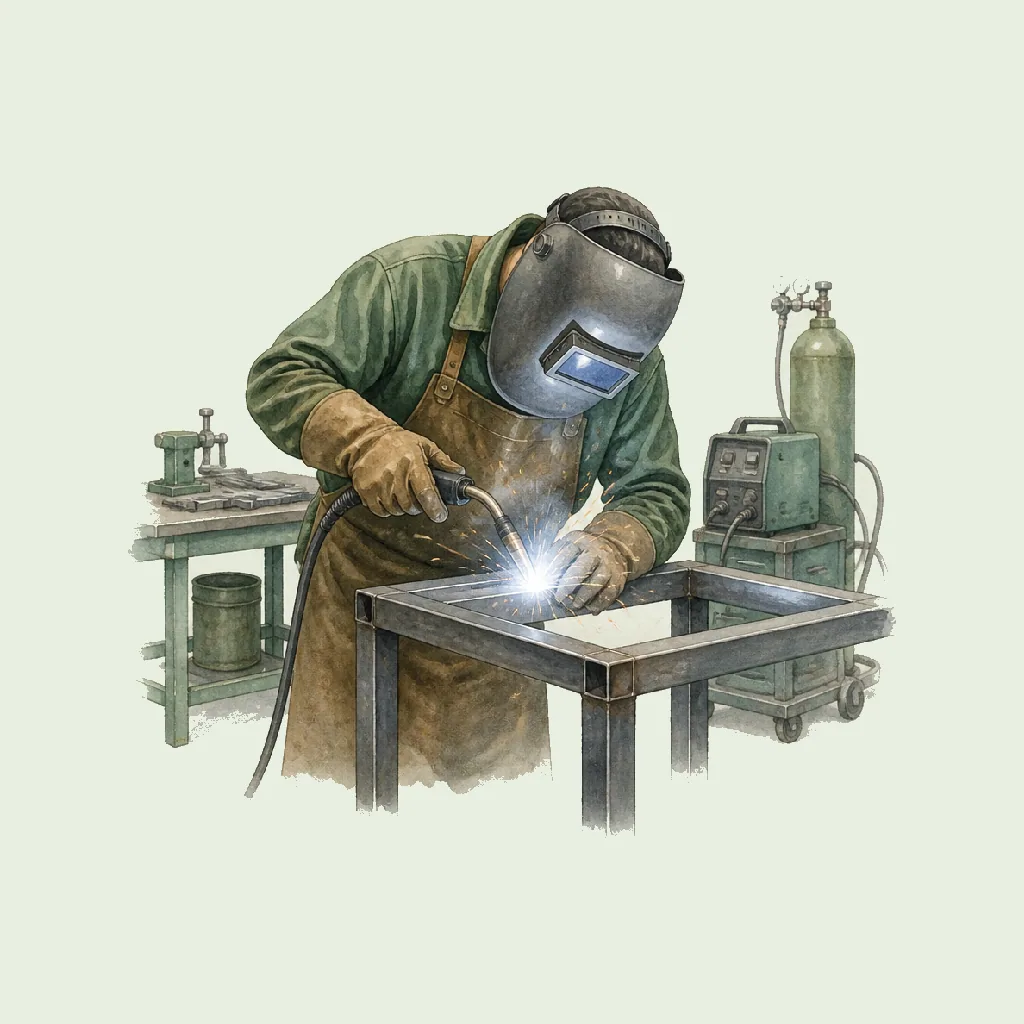
A Manufacturing Welder joins components using specified processes such as MIG, TIG or MMA. The agreement should identify materials, welding procedures, qualification range, drawings, joint preparation, consumables, shielding gas, extraction, hot-work controls, inspection, repair and traceability. The welder should not work outside qualification, improvise a joint specification or conceal defects beneath subsequent passes. Preparation and environmental condition can determine weld integrity as much as torch technique. The welder may need to confirm bevel, fit-up, cleanliness, preheat, interpass temperature and joint identity before starting. Terms should cover screens, fire watch, gas-cylinder handling, confined or elevated work and control of welding parameters. If visual inspection reveals cracking, porosity or undercut, affected work should be identified and repaired only to an approved instruction, preserving traceability through any subsequent finishing. Where coded identification or a weld map applies, the employee should mark each completed joint accurately so inspection results and any repair remain attributable to the actual location.
Individually written and reviewed against the maintained role record.



 £19.99 one-off contractPreview before payment, then download the branded PDF and send for signature.
 Employment Contract
 Employee Handbook
 Contract + Handbook Bundle
 HR Actions
 HR Actions Unlimited
 Compliance Membership