Day-to-day operating brief
What Relief Delivery Driver (Agency) work looks like in practice
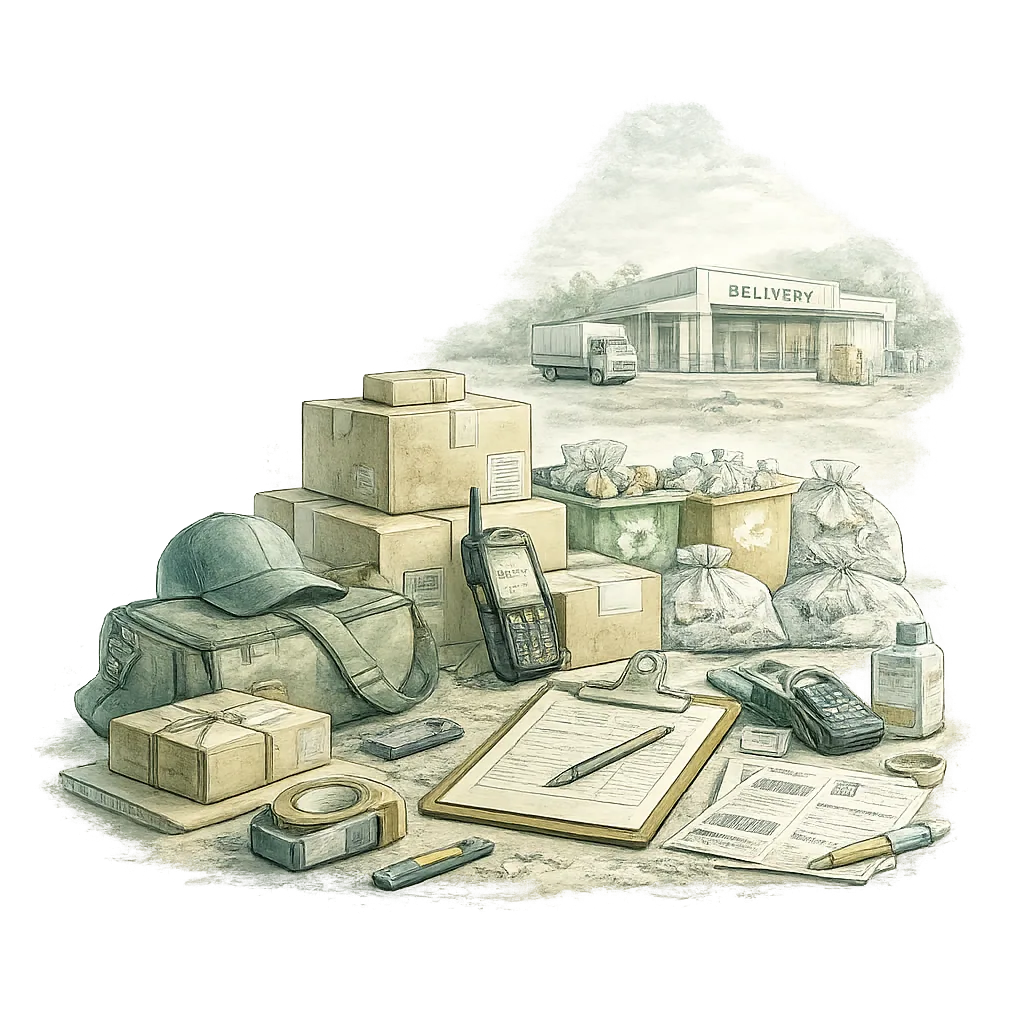
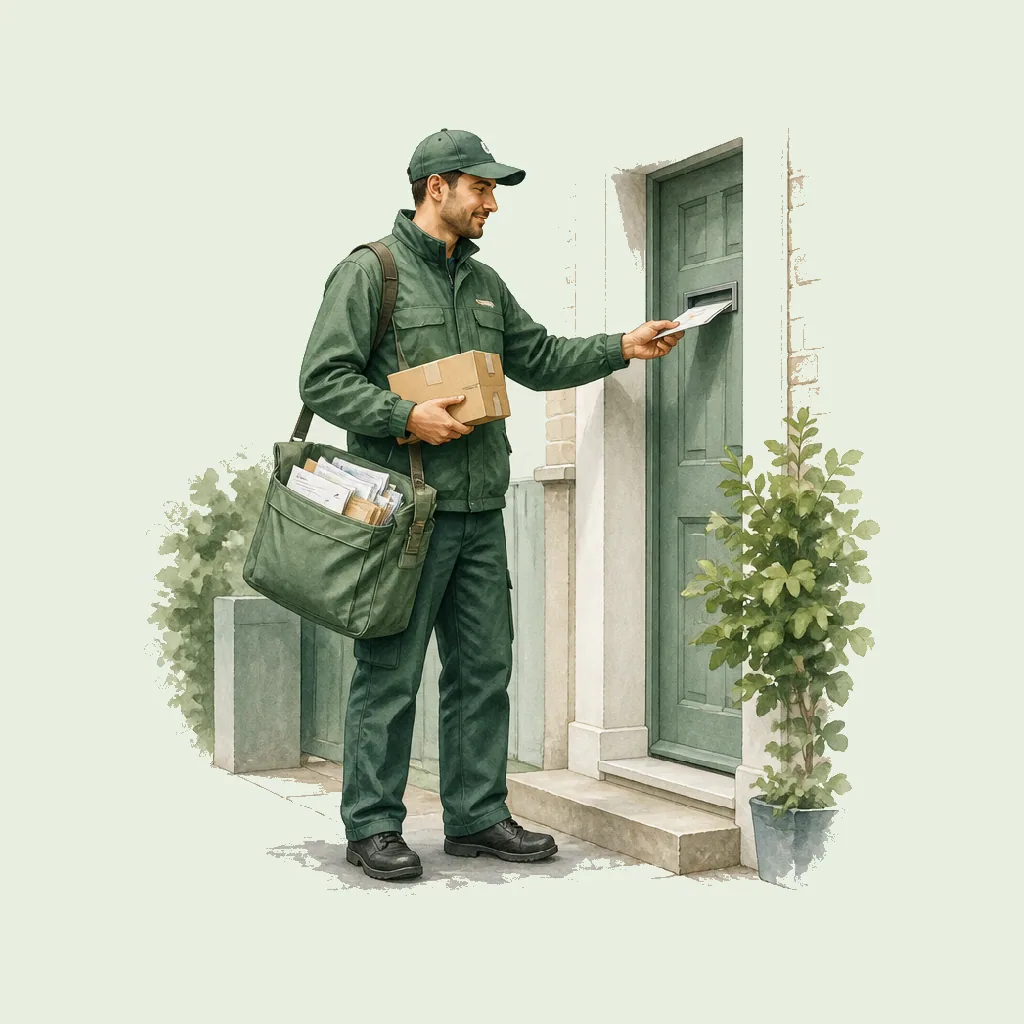
A Relief Delivery Driver fills staffing gaps across depots, routes or clients and may encounter different vehicles, scanners and proof rules. Terms should clarify employer or agency control, assignments, minimum hours, route induction, licence categories, login issue, expenses and refusal of work outside competence. The driver should not borrow credentials, assume one client's safe-place rules apply elsewhere or accept an unfamiliar vehicle without the required checks. Each assignment should specify who controls day-to-day work, reports defects and approves overtime, avoiding conflicting instructions between agency and depot. Familiarisation records should cover unusual access, device workflow and end-of-route reconciliation, not merely a signature stating that a generic induction video was watched. Timesheets should record actual assignment hours and authorised breaks without asking the driver to pre-sign a planned finish. Disputed entries need evidence from the relevant depot and worker.
Individually written and reviewed against the maintained role record.



 £19.99 one-off contractPreview before payment, then download the branded PDF and send for signature.
 Employment Contract
 Employee Handbook
 Contract + Handbook Bundle
 HR Actions
 HR Actions Unlimited
 Compliance Membership