Day-to-day operating brief
What Snowsports Instructor (Dry slope) work looks like in practice
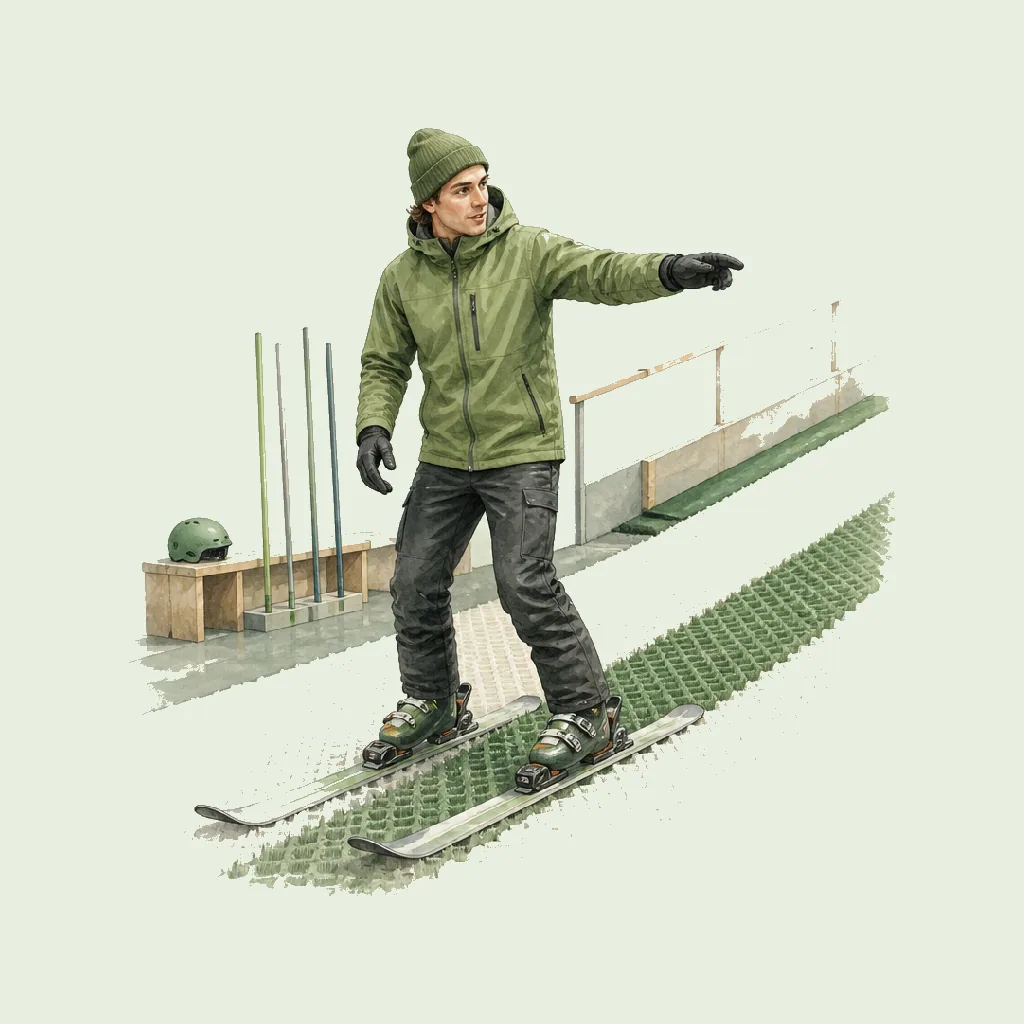
A Dry Slope Snowsports Instructor teaches skiing or snowboarding on an artificial surface. Terms should identify disciplines and qualification, lesson levels, boot and binding checks, helmets, slope condition, misting or lubrication, uplift systems, group spacing, falls, weather, clothing, children, safeguarding, first aid and the limit on equipment repair or instruction beyond competence. Dry-slope skiing or snowboarding uses uplift systems and abrasive surfaces that require site-specific competence. The instructor should check bindings and clothing, control slope entry, group spacing and lift use, and select terrain appropriate to each learner. Terms can distinguish ski, snowboard and tubing duties, include helmet policy, weather, floodlighting, burns or entanglement risks and rescue communication. Employers should also define equipment-hire handover, private and school groups, progression to steeper sections and when a mechanical or surface defect closes part of the slope. School or youth bookings also require named supervision at arrival, helmet allocation, ability grouping and a controlled meeting point after the final descent or emergency closure.
Individually written and reviewed against the maintained role record.



 £19.99 one-off contractPreview before payment, then download the branded PDF and send for signature.
 Employment Contract
 Employee Handbook
 Contract + Handbook Bundle
 HR Actions
 HR Actions Unlimited
 Compliance Membership