Day-to-day operating brief
What Curator of Archaeology (History) work looks like in practice
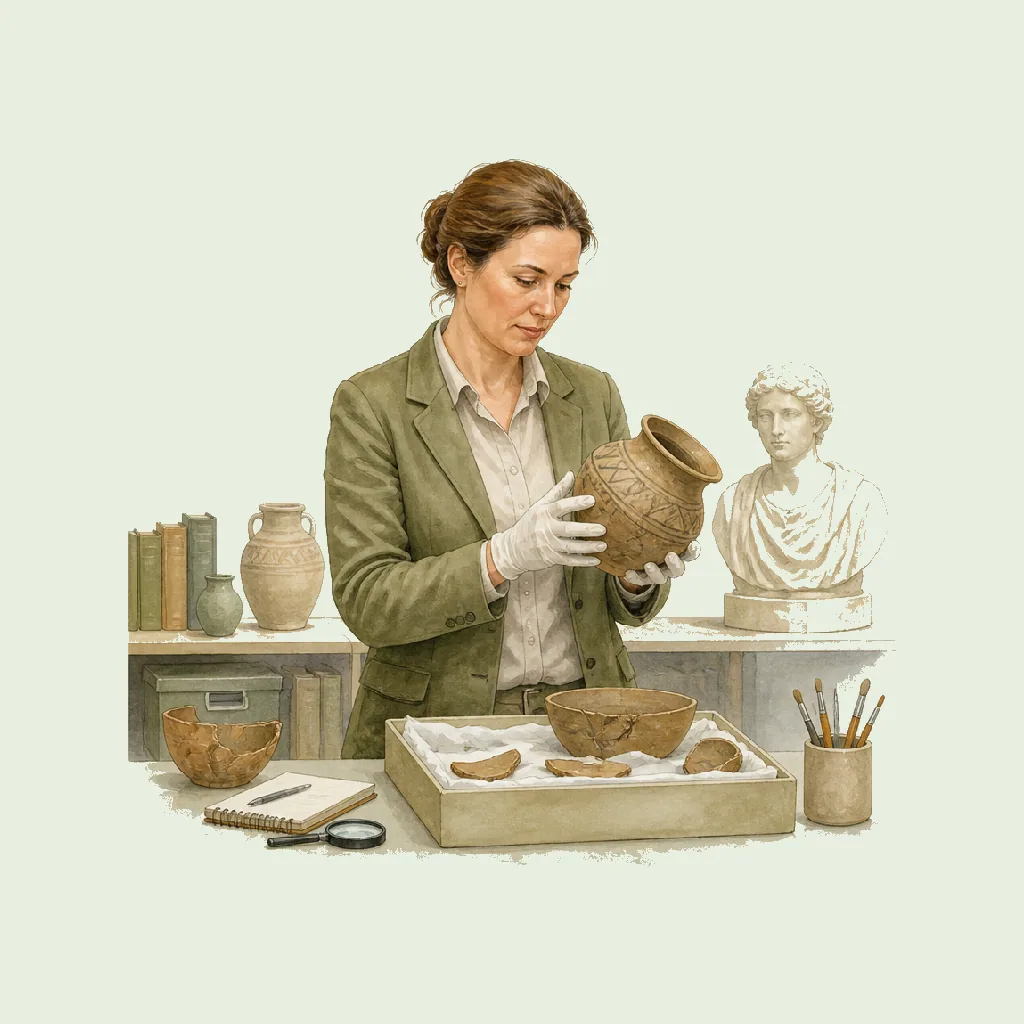
An Archaeology Curator develops and interprets collections of excavated objects and associated site archives. Terms should cover acquisition and deposition, site codes, stratigraphic context, finds processing, human remains where applicable, storage, research, destructive sampling, loans, exhibitions and community archaeology. The curator should not separate objects from context records, accept material without lawful provenance or state contested interpretations as settled fact. Deposition review should reconcile digital site data, finds lists, specialist reports and physical boxes before acceptance. Where indigenous, descendant or faith communities have a legitimate interest, research and display planning should include appropriate consultation rather than treating legal possession as the only ethical consideration. Assemblages should retain links between finds, context numbers, field archives and specialist reports. Repacking or rationalisation must not break those relationships merely because individual fragments appear visually repetitive or have limited display value.
Individually written and reviewed against the maintained role record.



 £19.99 one-off contractPreview before payment, then download the branded PDF and send for signature.
 Employment Contract
 Employee Handbook
 Contract + Handbook Bundle
 HR Actions
 HR Actions Unlimited
 Compliance Membership